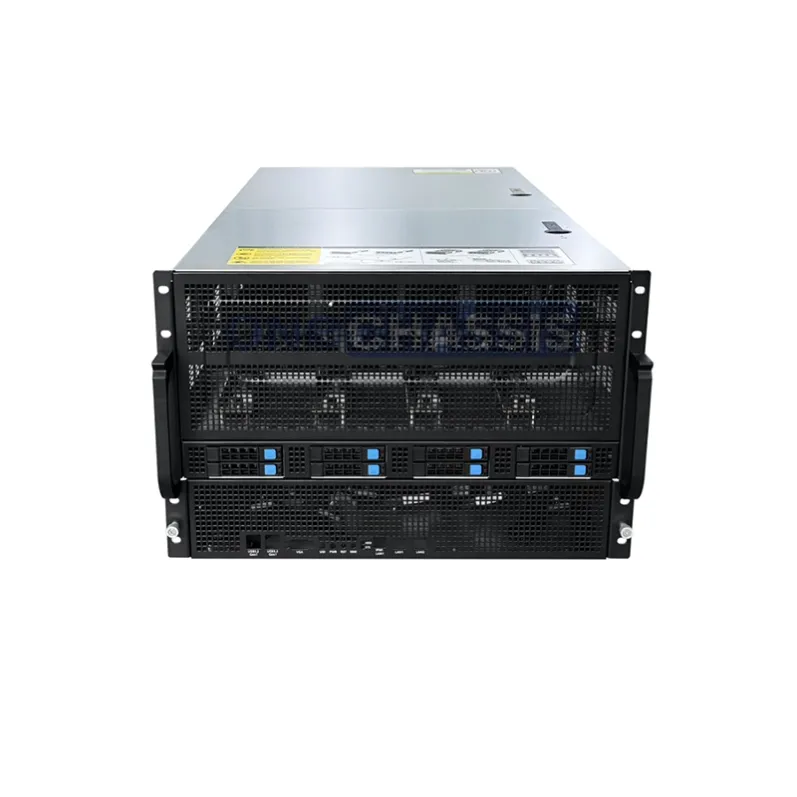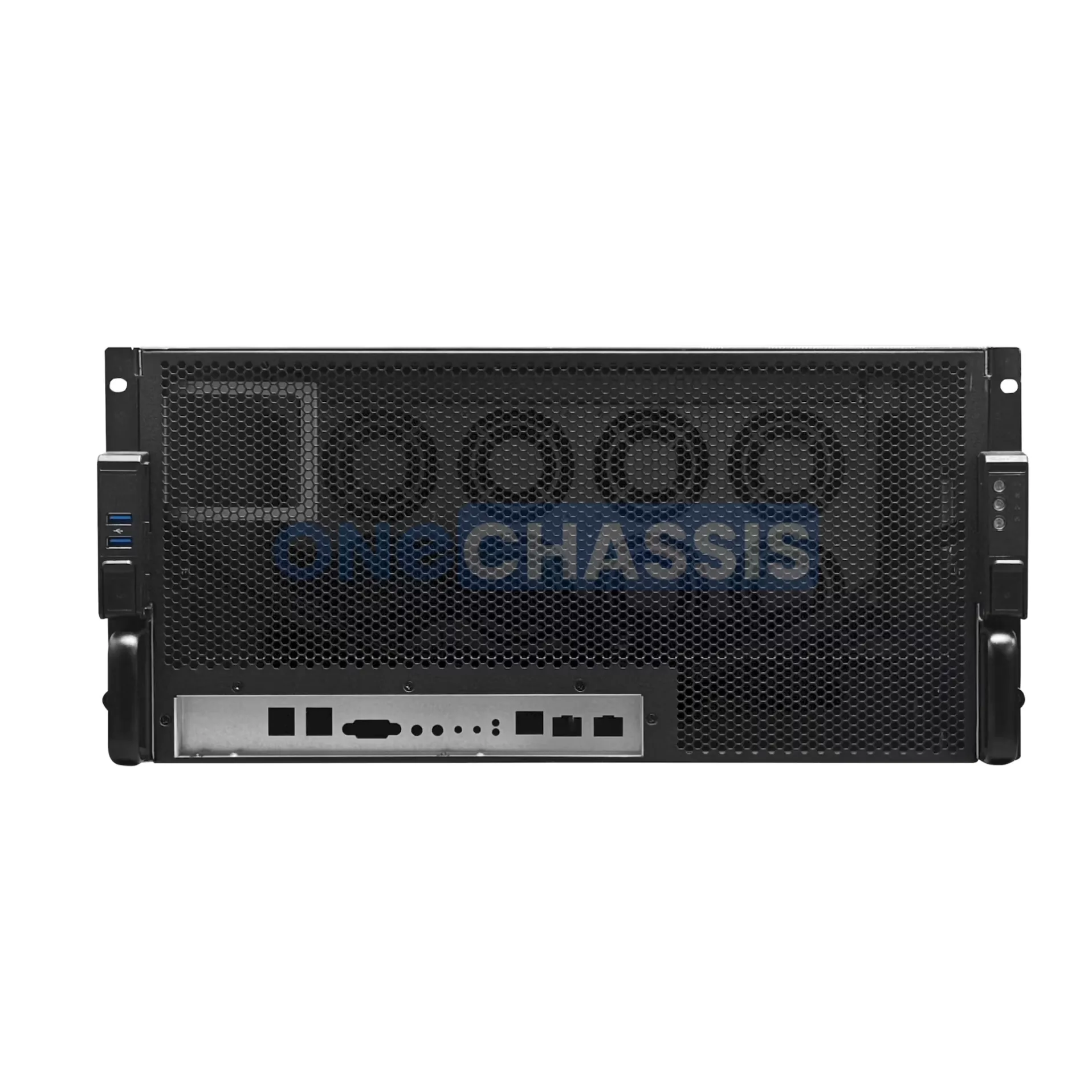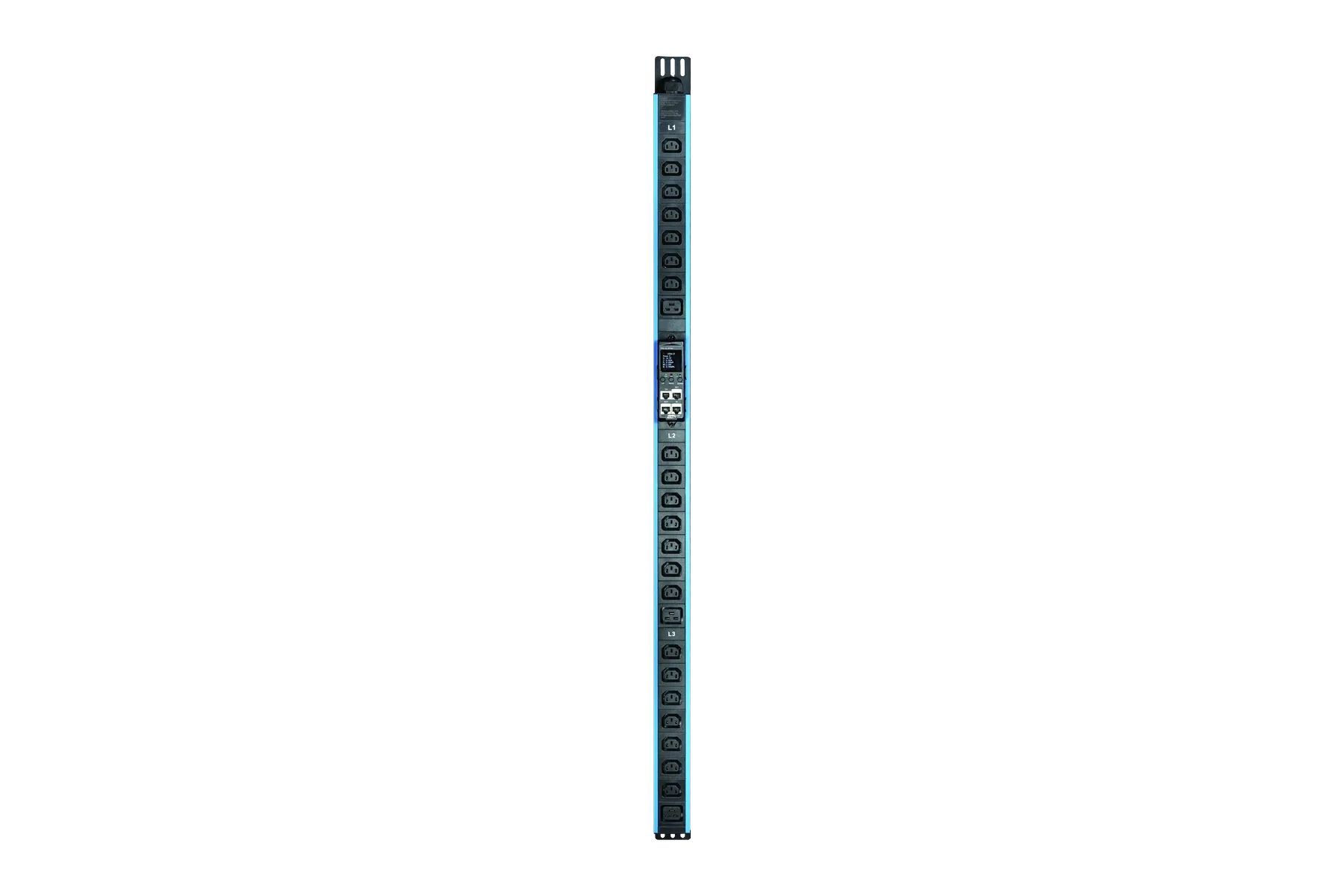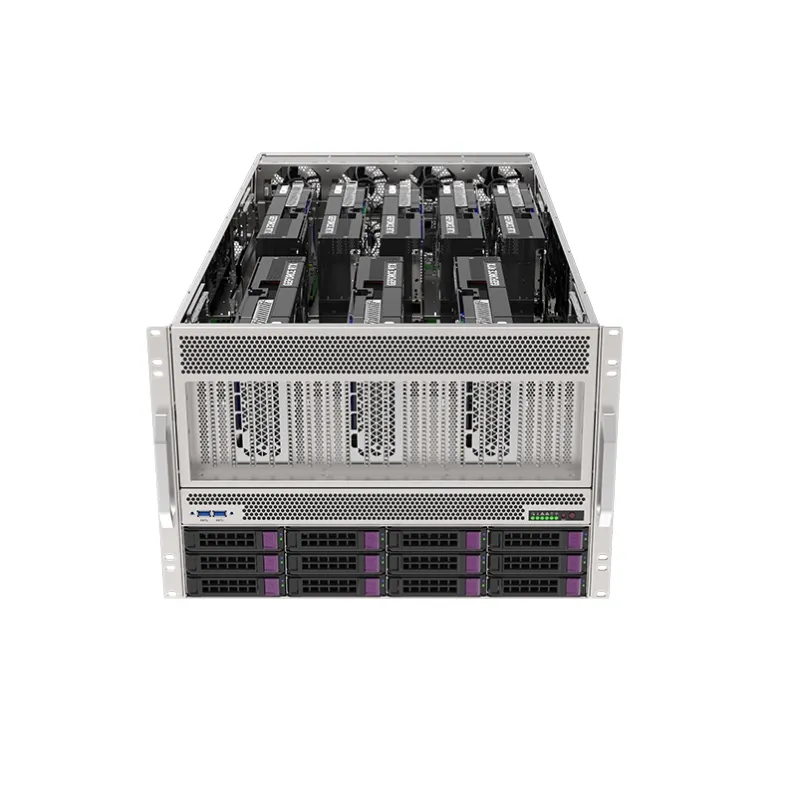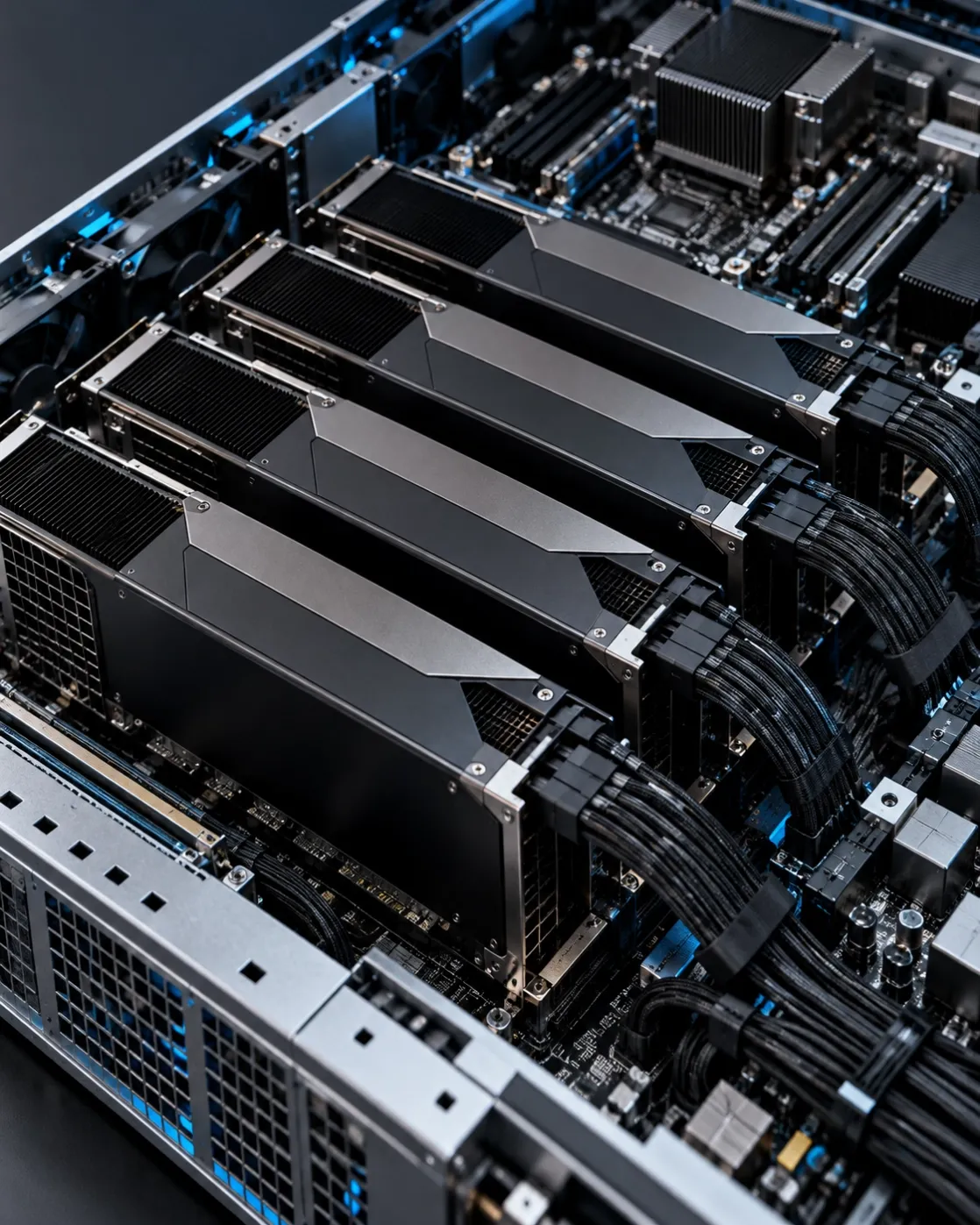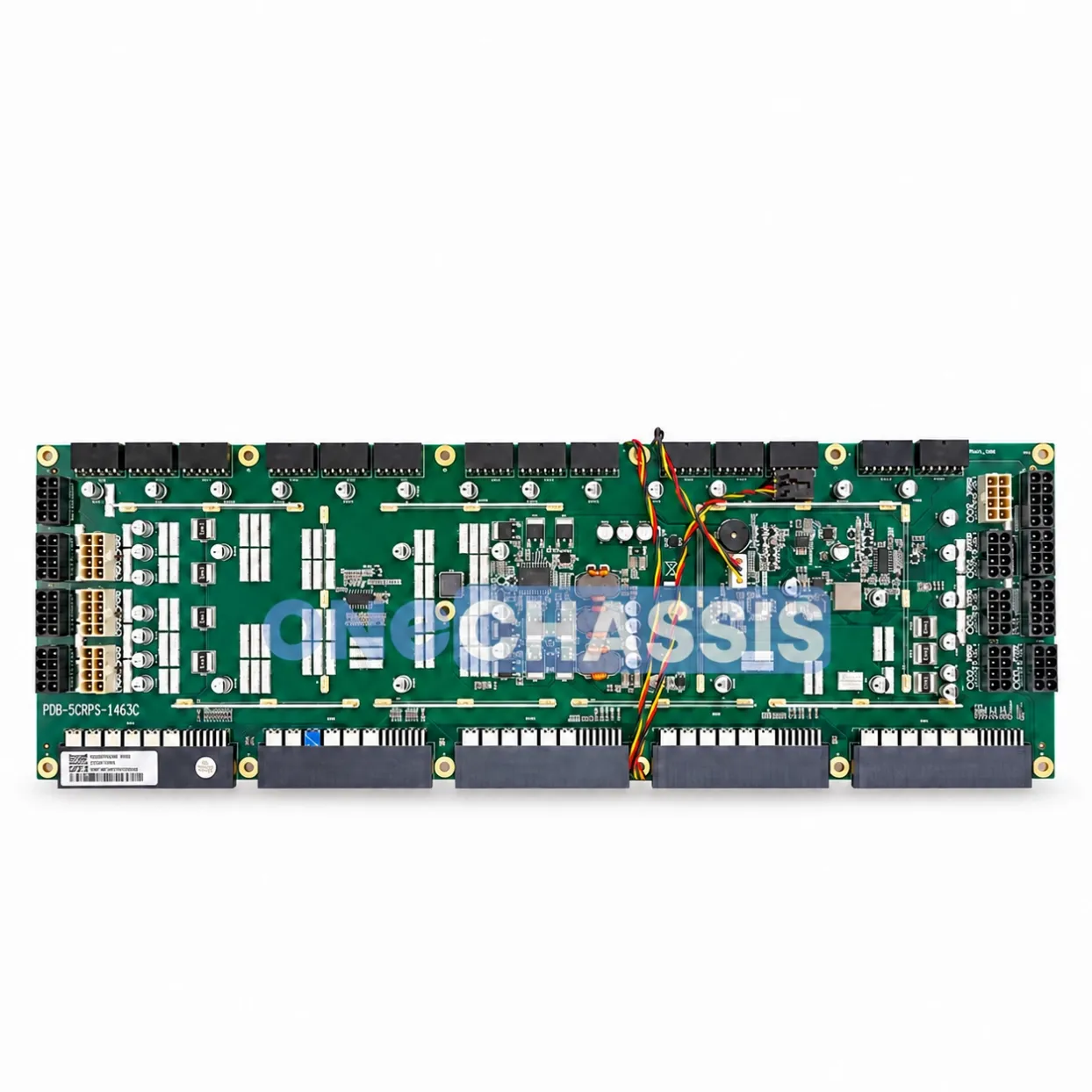
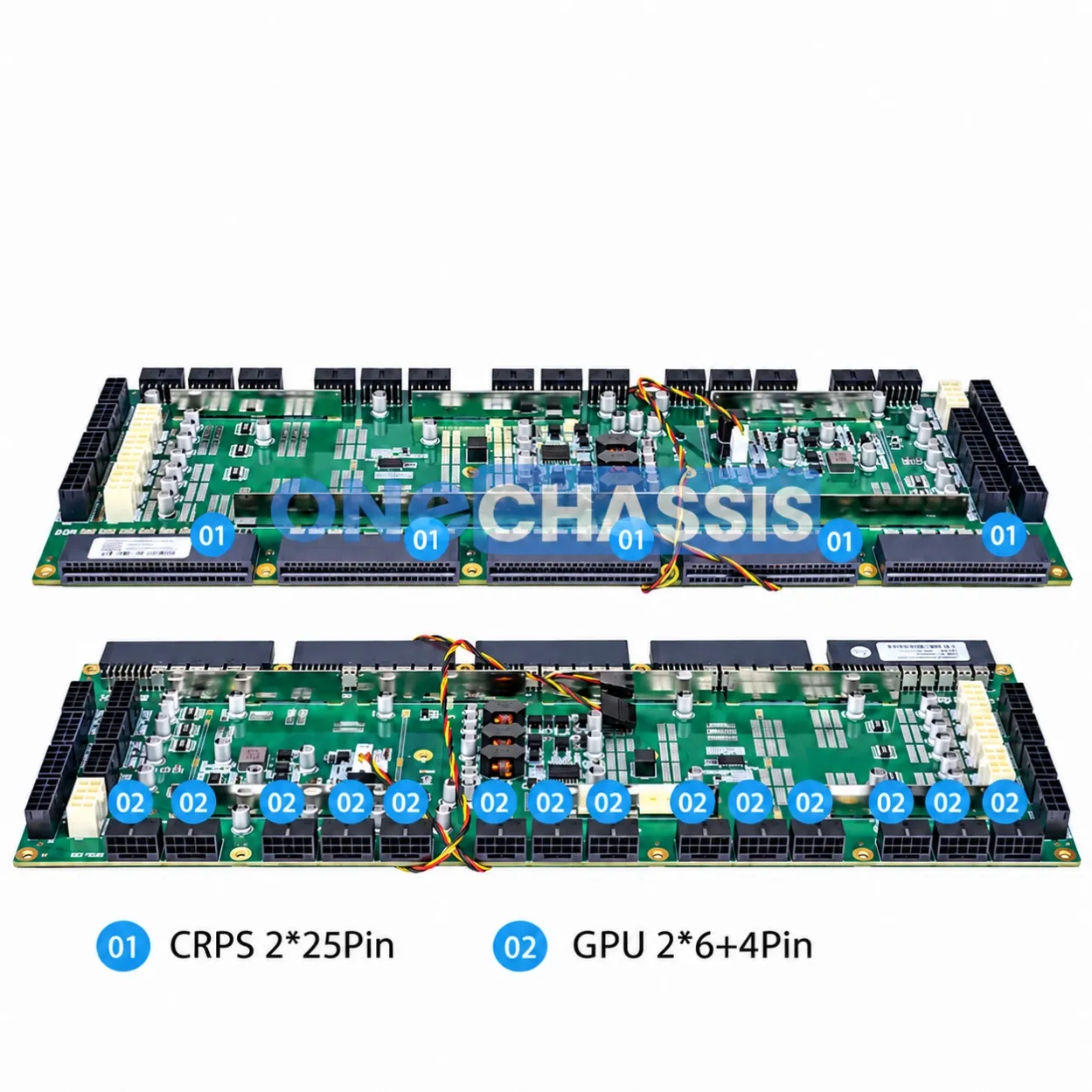
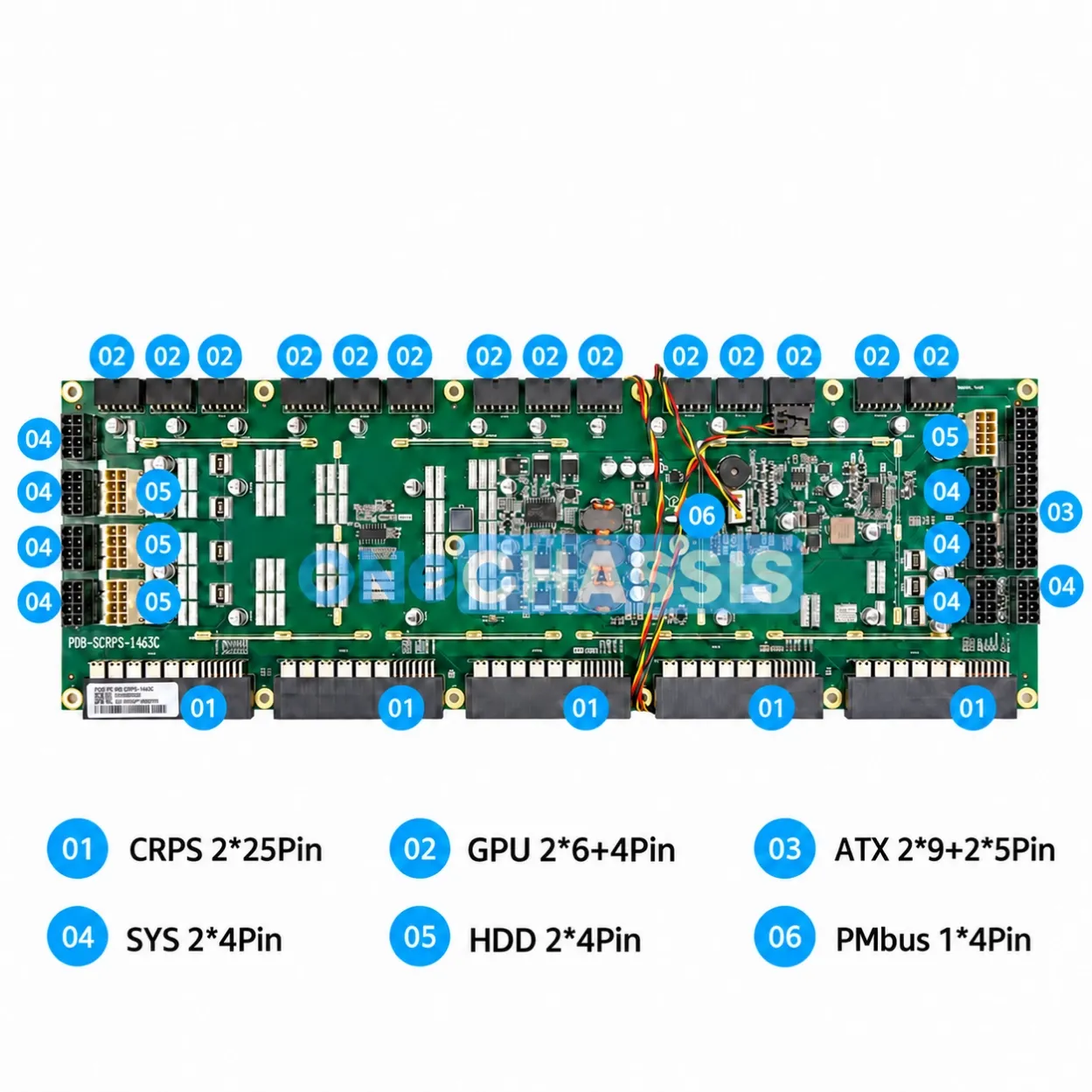
Great Wall power board
Great Wall power board-2
Great Wall power board-3
Power Distribution Boards

5-Slot CRPS Power Distribution Board (4+1 Redundant) — PDB-5CRPS-14G3C

Heavy-duty 5-slot CRPS power distribution board designed for 4+1 redundant configurations in multi-GPU servers. Compliant with Intel CRPS Rev2.1 and PMBus telemetry.

Technical Specifications

Model
PDB-5CRPS-14G3C
Form Factor
5-Slot Redundant CRPS PDB
Redundancy Modes
4+1 Redundant / N+1 / N+N
Compatible PSU Standard
Intel CRPS Rev 2.1
Module Capacity
Supports up to 5 × CRPS modules
Output Voltage
+12V DC main, +12Vsb standby
Management Interface
PMBus Protocol
Supported Platforms
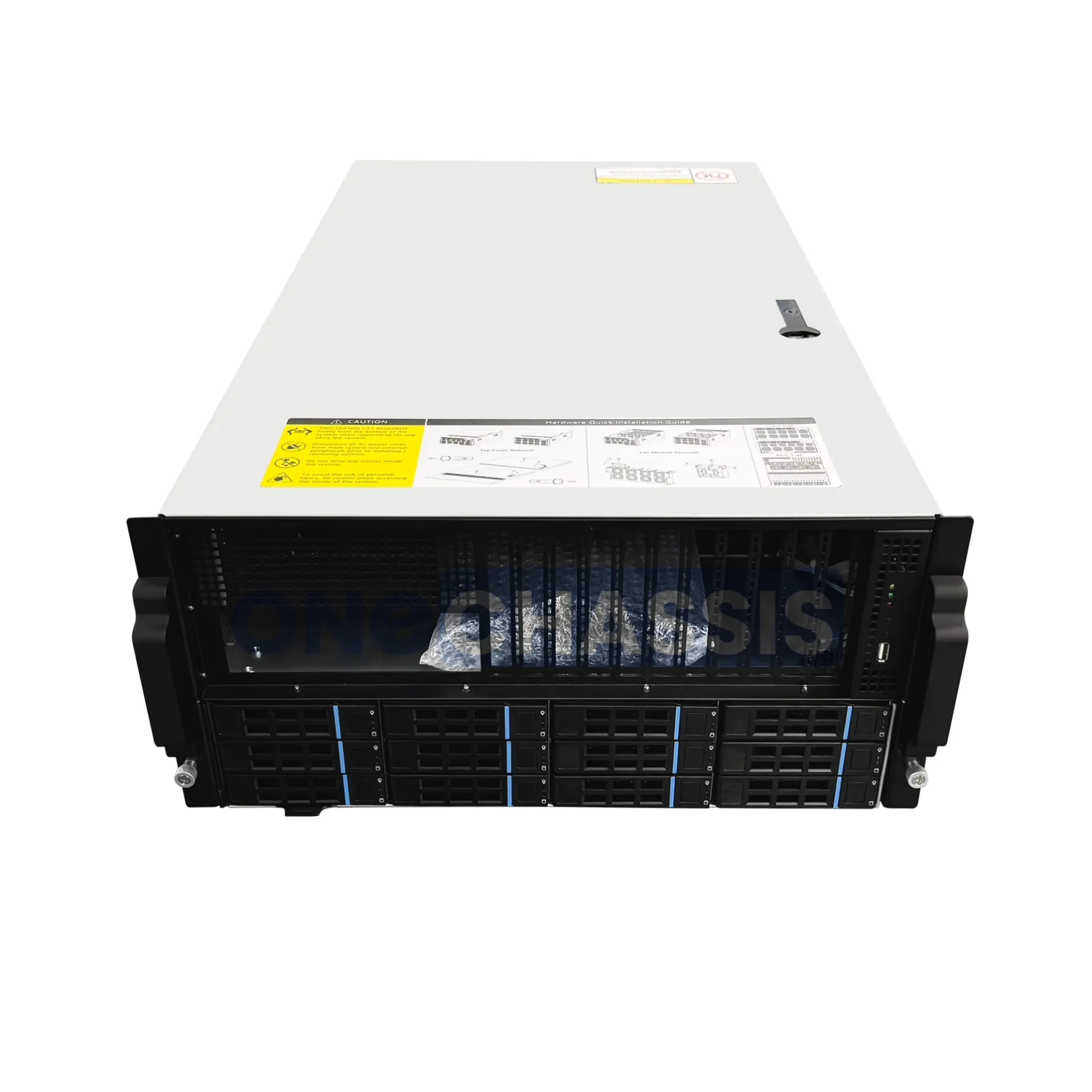
7U / 8U High-Density Multi-GPU Server Barebones
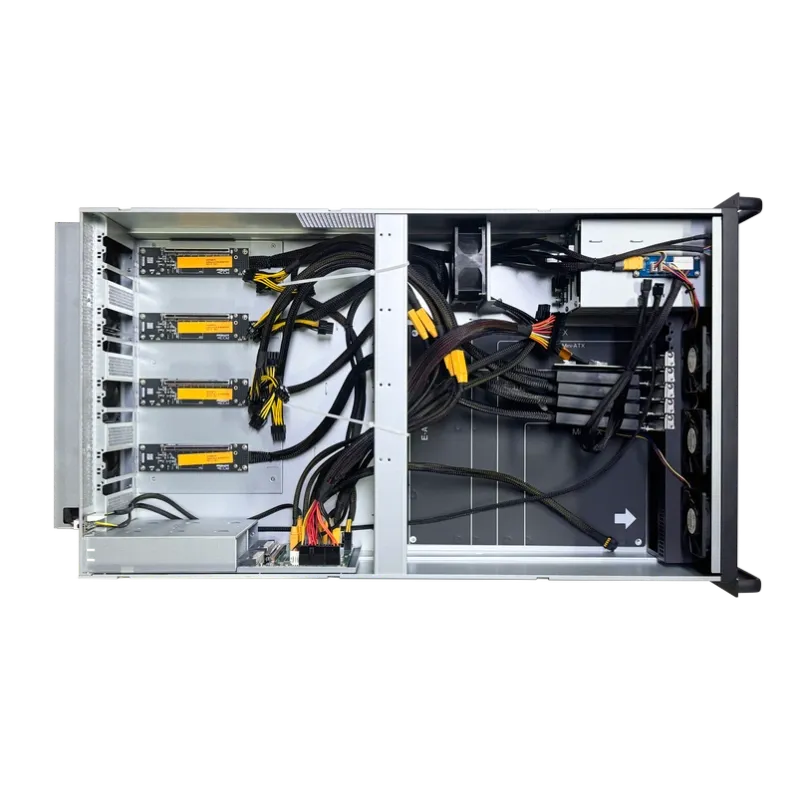
Overview The PDB-5CRPS-14G3C is a 5-slot CRPS power distribution board designed for 4+1 redundant power delivery in 7U and 8U high-density multi-GPU server barebones. It distributes +12V DC main and +12Vsb standby power from up to five hot-swappable CRPS modules to the motherboard, GPU risers, drives and fans through one integrated backplane. Key Features
  • Supports up to 5 × CRPS power modules in 4+1 redundant, N+1 or N+N configurations
  • Intel CRPS Rev 2.1 compliant module interface with PMBus telemetry
  • +12V DC main and +12Vsb standby output rails
  • Integrated power delivery to motherboard, GPU risers, storage and cooling
  • Tool-free hot-swap module insertion and serviceability
  • Designed for 7U / 8U high-density multi-GPU server barebones Application Suitable for 8-GPU AI training and inference platforms, HPC clusters and high-power rendering servers that require continuous operation. A failed PSU can be replaced without powering down the system, and PMBus telemetry enables remote monitoring of input voltage, current and module status.

Serviceability

Because each CRPS module is hot-swappable and tool-free, a failed unit can be pulled and replaced without powering the system down. The board distributes to the motherboard, GPU risers, storage and cooling from one integrated backplane, so there is no separate cable set for each rail.

Monitoring

PMBus telemetry exposes input voltage, current and module status to the host BMC, which lets a deployment notice a degrading module before it becomes a service event.

What This Page Does Not Confirm

Total available output depends on the CRPS modules fitted and the input voltage. Final module selection and redundancy mode are confirmed per project against the target platform.
Continue browsing

More GPU barebone platforms

Compare other GPU barebone platforms and chassis in the range.

View all products

KEY FEATURES

Engineering Priorities for Multi-GPU Platforms

Six engineering priorities for a reliable multi-GPU platform.

01 / GPU1

GPU Density Planning

Review GPU quantity, card dimensions, slot width, and mechanical clearances.

GPU · SLOT · CLEARANCE
Discuss Configuration
02 / PCIE2

PCIe Topology Review

Confirm lane allocation, riser direction, slot mapping, and platform topology.

LANES · RISER · TOPOLOGY
Discuss Configuration
03 / POWER3

Power Architecture

Match GPU and system power requirements with the planned PSU configuration.

PSU · CABLE · DISTRIBUTION
Discuss Configuration
04 / COOLING4

Cooling Architecture

Evaluate airflow direction, fan layout, component heat loads, and deployment conditions.

AIRFLOW · FANS · THERMAL
Discuss Configuration
05 / BOARD5

Motherboard Integration

Review board format, connector position, CPU layout, memory, and expansion requirements.

BOARD · CPU · EXPANSION
Discuss Configuration
06 / RACK6

Rack & Mechanical Fit

Confirm rack height, chassis dimensions, rail direction, service access, and installation constraints.

RACK · RAIL · SERVICE
Discuss Configuration

GPU COMPATIBILITY

Confirm the Complete GPU Fit

Compatibility is validated by GPU model, dimensions, power, PCIe topology, connector layout, and cooling.

Mechanical Envelope

Confirm card length, height, slot width, bracket position, and cable clearances.

Electrical & Power

Review GPU power rating, connector type, cable routing, PSU capacity, and distribution.

PCIe Topology

Confirm lane allocation, slot mapping, riser direction, motherboard topology, and BIOS requirements.

Thermal Conditions

Review airflow direction, cooling requirements, ambient conditions, and sustained workload profile.

Request Compatibility Review

DEPLOYMENT REFERENCE CONFIGURATIONS

Plan the Platform Around the Deployment

Compare practical platform directions by GPU density, rack limits, power, and service access.

Reference patterns include GPU cloud nodes, research validation systems, and private-AI platforms. Final configurations are confirmed per project.

WHY GPUBAREBONE

A B2B GPU Hardware Platform Approach

We focus on GPU barebone platform selection, configuration review, and integration discussion for professional computing projects.

01

Platform Integration Review

Discuss GPUs, motherboard, PCIe, power, cooling, rack format, and mechanical requirements as one platform.

02

Project Configuration Communication

Review required components, interfaces, deployment constraints, and questions before quotation.

03

OEM / ODM Discussion

Discuss project-specific chassis, platform, branding, mechanical, and integration requirements when applicable.

04

B2B RFQ Process

Share the intended configuration and project context so the quotation can reflect the actual hardware direction.

REQUEST QUOTE

Request a Configuration Review

Share your planned GPU, motherboard, power, cooling, and rack requirements for project review.

RFQ

Send Your Configuration

Share the GPU model and quantity, and we will confirm mechanical fit, power and lead time for your project.

Email
sales01@gpubarebone.com
Phone
+86 13823782297
Manufacturing Location
Qingxi, Dongguan, Guangdong, China
Hours
Mon-Sat, 9:00-18:00 (GMT+8)

Project details

Send the details

Share a few details about your request so we can send a useful reply.

0/300

For example: 4 × RTX 5090

0/300

For example: 10 units

0/300
0/300
0/300